
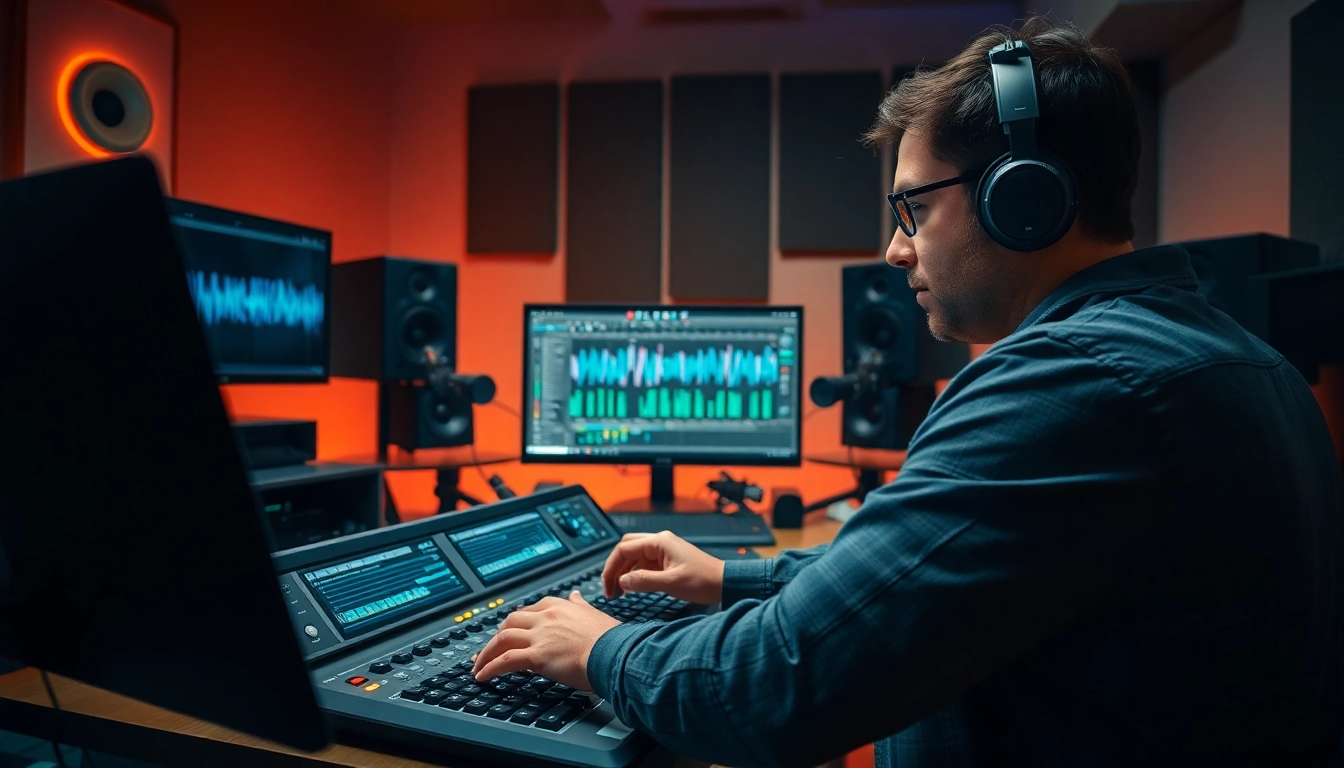
Understanding Online Mastering
What is Online Mastering?
Online mastering refers to the process of preparing and transferring recorded audio from a source to a data storage device, encapsulating the final product of a musical composition. Unlike traditional mastering, which is typically conducted in a professional studio environment, online mastering services allow musicians and producers to send their tracks to be professionally mastered via the internet. This modern service has democratized access to high-quality mastering, making it feasible for independent artists to compete with established labels.
Benefits of Choosing Online Mastering
Choosing online mastering offers several advantages for artists and producers:
- Cost-Effective: Many online mastering services are more affordable than traditional studio options, allowing budget-conscious musicians to achieve professional results.
- Convenience: The ability to upload tracks from anywhere makes it easy for artists to get their music mastered quickly, eliminating the need for physical studio visits.
- Access to Expertise: Online mastering platforms often employ experienced mastering engineers who apply their skills to elevate tracks to industry standards.
- Quick Turnaround: Many services offer rapid delivery options, which is crucial for artists needing fast results for releases or showcases.
- Enhanced Control: Artists can listen to samples, tweak settings, and collaborate directly with mastering engineers remotely.
Who Should Use Online Mastering Services?
Online mastering is ideal for a wide range of users:
- Independent Musicians: Artists without access to a professional studio can benefit significantly from affordable online options.
- Producers: Those producing multiple tracks in a short time frame can streamline their workflow through online services.
- Record Labels: Smaller labels may prefer online mastering for its cost-effectiveness and efficiency.
- Podcasters and Audiobook Creators: Anyone producing audio content can utilize these services to ensure high-quality sound.
Choosing the Right Online Mastering Service
Key Features to Look For
When selecting an online mastering service, consider the following features:
- Quality Assurance: Look for services that guarantee professional-grade audio quality and offer sample previews before purchase.
- User-Friendly Interface: A straightforward platform can enhance your experience significantly, allowing you to navigate easily.
- Communication Options: Check if the service provides options for communicating with mastering engineers, as feedback can be crucial.
- Range of Services: Some platforms offer additional services like mixing or editing, providing a one-stop solution for audio professionals.
- Formats Supported: Ensure the service supports a variety of audio formats to accommodate your needs.
Compare Pricing and Packages
Different online mastering services offer various pricing structures. Here’s how to effectively compare options:
- Basic vs. Premium Plans: Many providers offer multiple tiers; assess what each package includes, such as the number of revisions or formats available.
- Pay Per Track vs. Subscription: Decide whether a pay-per-track model or a monthly subscription best suits your output volume and budgeting.
- Hidden Costs: Always check for any additional fees associated with uploads, revisions, or urgent turnarounds.
User Reviews and Testimonials
Before committing, it’s valuable to read user reviews and testimonials. Look for:
- Overall Satisfaction: Assess the general sentiment from users regarding the service’s quality and reliability.
- Specific Feedback: Dig into comments about the mastering quality and customer service experiences.
- Case Studies: Some services may provide detailed case studies showcasing how they’ve helped others achieve their goals.
The Mastering Process Explained
Step-by-Step Breakdown
The mastering process involves several key steps aimed at finalizing audio tracks:
- Upload Your Track: Artists submit their audio, usually in a high-resolution format like WAV or AIFF.
- Initial Assessment: The mastering engineer listens to the track to understand its strengths and areas for improvement.
- Adjustments: The engineer makes necessary changes, such as equalization, compression, and limiting to enhance the final sound.
- Final Approval: The artist receives a preview, allowing them to request adjustments before the final master is delivered.
- Delivery: The finalized track is delivered in various formats, suitable for distribution across different platforms.
Common Techniques in Online Mastering
Mastering engineers employ various techniques to achieve a polished sound:
- Equalization: Fine-tuning frequencies to ensure balance and clarity in the track.
- Compression: Controlling the dynamic range, making quieter sounds louder and vice versa to create a cohesive sound.
- Limiting: Preventing peaking while maximizing volume to ensure the track stands out on streaming platforms.
- Stereo Enhancement: Widening the stereo image to provide a more immersive listening experience.
Understanding Audio Formats for Mastering
Different audio formats can significantly affect the mastering process. The most common formats include:
- WAV: A high-quality audio format ideal for mastering due to its lossless nature.
- AIFF: Similar to WAV, this format is also lossless and widely used in professional studios.
- MP3: A compressed format that is less ideal for mastering but useful for demo purposes.
- FLAC: A lossless format that retains audio quality while reducing file size.
Best Practices for Submitting Your Tracks
Preparing Your Audio Files
Before uploading your tracks for mastering, ensure they are properly prepared:
- Mixing Levels: Keep your mix’s peak levels around -6dB to allow headroom for mastering effects.
- Export Settings: Use high-resolution formats (WAV or AIFF) for submissions to maintain audio quality.
- Final Mixdown: Ensure the final mix is balanced with no unnecessary tracks or plugins active.
Providing Reference Tracks
Submit reference tracks that embody the sound and style you aim to achieve. This helps mastering engineers understand your vision:
- Choose Comparable Tracks: Select songs similar to your own, preferably in the same genre.
- Specify Elements: Point out specific elements you like—such as vocal clarity or bass punch—and how they can inspire your track.
Setting Expectations for the Final Product
Effective communication is key to a successful mastering experience:
- Discuss Your Vision: Clearly articulate your expectations to the mastering engineer.
- Be Open to Feedback: Listen to the engineer’s suggestions, as they may offer insights to enhance your music.
Evaluating Your Mastered Tracks
Tips for Listening Critically
Once you receive your mastered tracks, it’s important to evaluate them critically:
- Use Quality Equipment: Listen on high-fidelity speakers or headphones to accurately assess the sound.
- Varied Environments: Test the track in different settings—car, studio, and home— to see how it translates.
- Track Comparison: Compare it to the reference tracks you submitted to gauge alignment with your goals.
Common Pitfalls to Avoid
While reviewing your mastered audio, steer clear of these common pitfalls:
- Overly Critical Listening: Don’t get stuck in nitpicking details; remember, mastering should enhance the overall track.
- Ignoring Feedback: If you provided reference tracks, failing to compare your master against them can hinder your goals.
Next Steps After Mastering Your Track
After you receive your mastered track, consider these next steps:
- Distribution: Use various platforms to distribute your music effectively.
- Promotion: Engage audiences through social media and other marketing strategies to maximize reach.
- Plan Future Projects: Use the insights gained from this process to inform your next recordings.
FAQs
What is online mastering?
Online mastering is the process of preparing audio tracks for distribution using remote services, allowing artists to achieve professional sound quality without physical studio visits.
How long does online mastering take?
Turnaround times vary by service, but standard online mastering can typically be completed within 24-72 hours, depending on the complexity and number of tracks.
Can I make changes after mastering?
Most online mastering services allow for a limited number of revisions, so it’s important to communicate any desired changes within that scope for the best outcomes.
What audio formats are best for mastering?
The best formats for mastering are generally high-resolution files like WAV or AIFF, as they preserve sound quality without compression artifacts.
Is online mastering suitable for all music genres?
Yes, online mastering is viable for all music genres, offering tailored services that cater to the unique characteristics of various audio styles.