Understanding Window Tint Chattanooga: What You Need to Know
The Basics of Window Tinting
Window tinting is a process where a thin film is applied to the windows of vehicles or buildings to provide enhanced comfort, protection, and privacy. By reducing the amount of sunlight that enters through glass, window tinting can significantly lower interior temperatures, thereby improving the overall driving or living experience. In Chattanooga, a well-done window tint Chattanooga can be both functional and stylish, making it an appealing choice for many residents.
Types of Window Tint Chattanooga Available
There are several types of window tint films available in Chattanooga, each designed for specific needs and preferences:
- Dyed Window Film: This economical option offers basic heat and UV protection while enhancing privacy.
- Metalized Window Film: Incorporating tiny metal particles, this film reflects heat and improves durability, making it a popular choice.
- Ceramic Window Film: Known for its superior heat rejection and clarity, ceramic film provides excellent UV protection without blocking signals.
- Hybrid Window Film: Combining characteristics of dyed and metalized films, hybrid films offer great heat protection and aesthetic appeal.
Legal Aspects of Window Tinting in Chattanooga
Before getting your windows tinted, it’s essential to understand the legal regulations in Chattanooga regarding window tint. Tennessee law dictates specific limits on tint darkness for different windows. Generally, the front windshield must allow over 70% of light, while side and rear windows have more lenient restrictions. It’s crucial to ensure that the tint you choose complies with state regulations to avoid fines and ensure safety.
Benefits of Window Tint Chattanooga for Your Vehicle
Protection from UV Rays
One of the most significant advantages of window tinting is the protection it offers against harmful UV rays. Prolonged exposure can lead to skin cancer and other health issues. Window films can block up to 99% of these rays, making them an excellent investment for health-conscious individuals in Chattanooga, where sunny weather prevails.
Enhanced Privacy and Security
Window tinting significantly enhances your vehicle’s privacy. Tinted windows deter potential thieves from seeing valuables inside your car, reducing the chances of theft. Additionally, having darker interiors can keep prying eyes at bay, offering peace of mind for those living in busy neighborhoods.
Improved Aesthetic Appeal
Beyond functionality, window tinting can contribute to the overall appearance of your vehicle. A sleek, tinted look can elevate the style quotient of any car, making it stand out on the streets of Chattanooga. This enhancement can also potentially increase the resale value of the vehicle, making it a smart choice for many car owners.
Choosing the Right Window Tint Chattanooga for Your Needs
Factors to Consider When Selecting Tint
When selecting the right window tint for your vehicle, consider factors like:
- Percentage of Visible Light: Determine how dark you want your tint to be.
- Type of Film: Choose the type of film that fits your needs regarding durability, heat rejection, and aesthetic appeal.
- Budget: Prices can vary significantly; establish a budget that allows for quality materials and installation.
- Warranty: Check if the tint comes with a warranty to protect your investment in case of fading or peeling.
Comparing Window Tint Options
Given the range of window tint options available, comparing them based on performance, durability, and price is crucial. For example, while dyed films might be more affordable, they typically don’t offer as much UV protection as ceramic films. Assessing your priorities—whether it’s budget, performance, or aesthetics—will help guide your decision.
Professional Installation vs. DIY Tinting
While some enthusiasts may consider DIY window tinting, professional installation is generally recommended. Professionals have the skills and tools to ensure a flawless application, minimizing issues like bubbling or peeling. Moreover, professional-grade materials often come with warranties, adding to their value.
Window Tint Chattanooga Installation: What to Expect
Preparation for Installation
Before installation, it’s important to prepare your vehicle and choose an appropriate location. Ensure your car is clean and that the windows are free from dirt and contaminants. If possible, park in a shaded area to prevent dust particles from landing on the film during application.
The Installation Process Explained
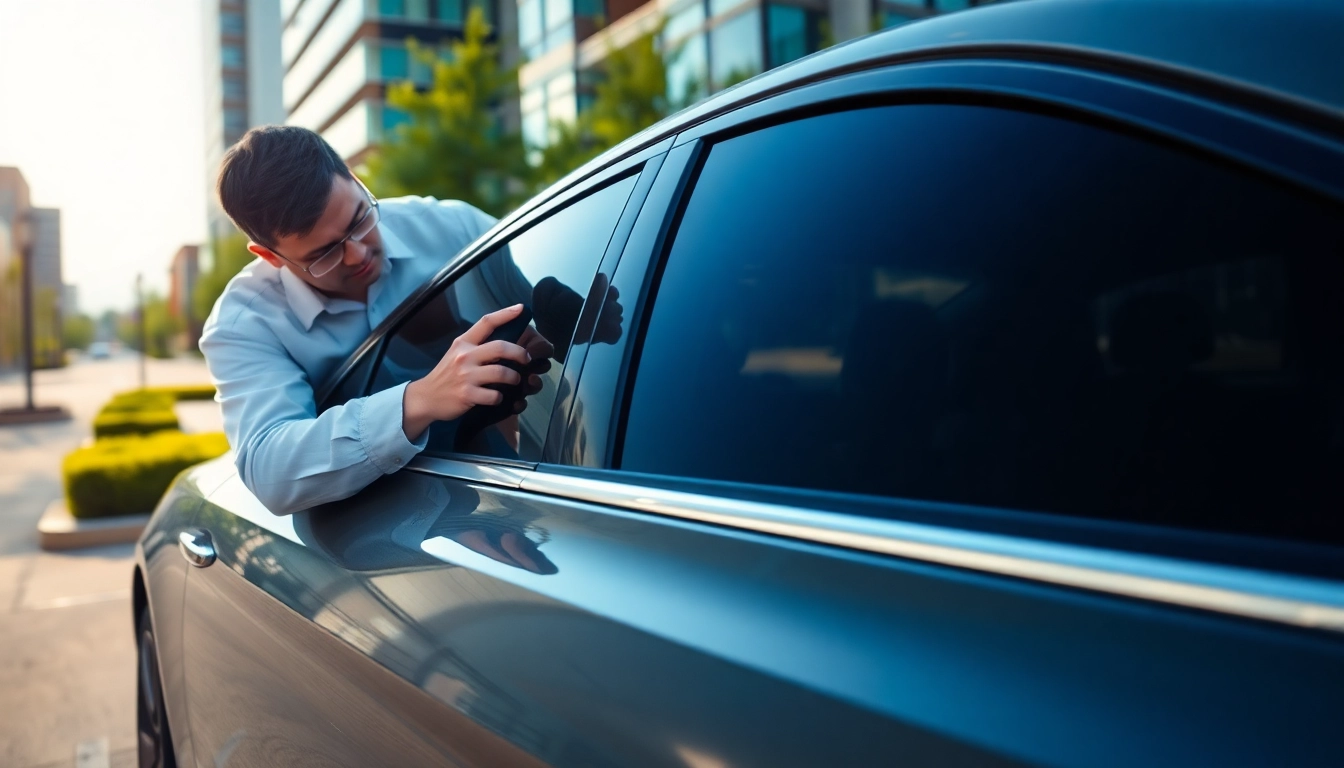
During installation, the installer will measure and cut the film to fit each window. The film is then applied using a solution that allows for adjustments before it dries. The entire process typically lasts a few hours, depending on the number of windows being tinted and the film type selected.
Aftercare Tips for Window Tint
After installation, proper care is vital to maximize the lifespan of your window tint. Avoid rolling down windows for at least a few days to ensure the film adheres properly. When cleaning, use a soft cloth and a mild cleaner to prevent scratches and damage to the film.
Frequently Asked Questions about Window Tint Chattanooga
How long does window tinting last?
With proper care, quality window tinting can last anywhere from five to fifteen years, depending on the film type and environmental conditions.
Is window tinting legal in Chattanooga?
Yes, but it must comply with state regulations regarding light transmittance levels for different windows. Ensure you choose a compliant tint to avoid fines.
Can I install window tint myself?
While DIY kits are available, professional installation is recommended to avoid common issues like bubbling or misalignment.
How does window tint affect visibility?
Quality window tints are designed to minimize distortion. However, darker films can slightly reduce visibility at night, so consider your driving conditions when selecting tint level.
What are the costs involved in window tinting?
The cost of window tinting varies based on factors like vehicle type, film quality, and installation charges, typically ranging from $200 to $800.