
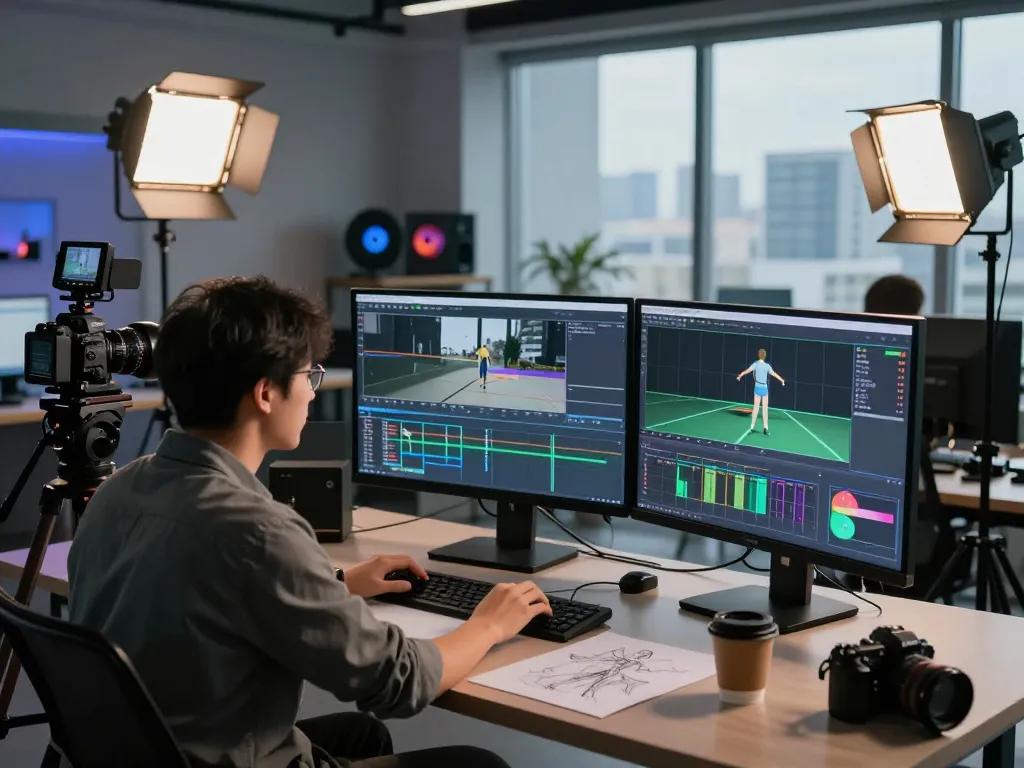
Understanding Mind Control in Video Technology
In the evolving landscape of digital media, the intersection of artificial intelligence and video technology has given rise to innovative concepts such as mind control in motion graphics. This term, while traditionally associated with psychological manipulation, has taken on a new meaning in the context of video production, where it pertains to the meticulous control over character movements and animations. As we delve into this subject, we discover how advancements like Kling 2.6 Motion Control AI facilitate the creation of lifelike animations that can resonate deeply with audiences. When exploring options, mind control in video technology provides comprehensive insights into the capabilities of modern AI systems.
What is Mind Control in Motion Graphics?
In motion graphics, the term "mind control" refers to the ability to manipulate how characters express emotions, perform actions, and interact within a scene. This level of control allows creators to guide the narrative and visual storytelling effectively. The application of artificial intelligence in this domain is instrumental, enabling creators to transform static images into dynamic representations that convey the intended emotions and actions. With tools like Kling 2.6, artists can define clear motion paths, ensuring that each character movement feels intentional and authentic, thereby engaging viewers on a psychological level.
History and Evolution of Mind Control Techniques
The history of mind control techniques in video production can be traced back to traditional animation methods, where artists painstakingly created frame-by-frame movements. With the advent of computer-generated imagery (CGI), the ability to control and animate characters transformed dramatically. Early systems relied heavily on keyframing, manually adjusting positions and movements in each frame. However, these methods were time-consuming and often resulted in disjointed movements.
As technology progressed, motion capture emerged, allowing for the recording of real-life movements to be translated into digital animations. This was a significant leap towards achieving more realistic animations. Today, the integration of AI systems, such as Kling 2.6 Motion Control AI, has further enhanced the process. These advanced algorithms analyze reference videos and static images to create seamless animations that maintain character identity and motion accuracy, bringing a new level of coherence to animated narratives.
Current Trends in AI and Motion Control
As we progress further into 2026, the trends in AI-driven motion control continue to evolve. Current systems not only focus on the technical aspects of animation but also emphasize emotional expression and storytelling depth. Innovations in deep learning and neural networks enable AI to understand the nuances of human motion, leading to more expressive animations. The demand for rapid content creation has made tools like Kling 2.6 essential for creators who desire to produce high-quality animated videos efficiently.
Key Features of Kling 2.6 Motion Control AI
Photorealistic Outputs and Character Identity Preservation
One of the most remarkable features of Kling 2.6 Motion Control AI is its ability to produce photorealistic outputs. This ensures that characters in animated videos maintain their identity, with movements and expressions that align closely with human behavior. By utilizing advanced algorithms, Kling 2.6 preserves the subtle nuances of facial expressions and body language, which are crucial for engaging storytelling.
Advanced Movement Control for Cinematic Effects
Kling 2.6 also offers advanced control over movements, allowing creators to implement cinematic effects that elevate their videos. This includes the ability to adjust camera angles, focus, and transitions dynamically. Such features empower video makers to craft immersive experiences that captivate audiences, making their stories not just seen, but felt deeply.
Real-Time Rendering Capabilities
In an industry that values speed, Kling 2.6's real-time rendering capabilities stand out. The platform streamlines the video creation process, enabling creators to preview and export their high-quality videos in mere minutes. This speed allows for rapid iteration and experimentation, essential for adapting to fast-paced market demands and trends.
Effective Practices for Using Mind Control in Video Production
Optimizing Image Settings for Best Results
To achieve the best results when using mind control techniques in video production, optimizing image settings is critical. High-quality source images that feature clear backgrounds and appropriate framing can significantly impact the final output. Full-body or half-body images with visible surroundings not only allow for better animation fidelity but also help the AI maintain character proportions and identity throughout the animation process.
Utilizing Text Prompts to Enhance AI Understanding
Another effective practice is the use of text prompts to guide the AI in generating animations. By clearly describing the intended actions, atmosphere, and additional visual details, creators can enhance the AI's understanding, leading to more accurate and emotionally resonant videos. This feature is particularly beneficial in ensuring that the AI captures the essence of the narrative being conveyed.
Best Practices for Selecting Reference Videos
Selecting the right reference videos is paramount for effective motion control. Creators should choose clips that demonstrate clear motion patterns, avoiding excessive camera drift and rapid movements that may confuse the AI. Matching the type of reference video to the image type—such as pairing full-body images with full-body references—ensures smoother and more coherent transitions in the final animation.
Common Challenges and Solutions in Mind Control Implementation
Overcoming Visual Drift Issues
Visual drift can be a significant challenge in motion AI, where the character's appearance may shift away from its intended representation throughout the animation. To combat this issue, Kling 2.6 employs sophisticated algorithms that prioritize maintaining character identity across frames. By ensuring consistent facial features and clothing details, the AI minimizes the risk of identity distortion.
Ensuring Character Consistency Across Frames
Consistency is crucial in animation. To maintain character integrity, creators should ensure that both the still image and the reference video align perfectly in terms of framing and orientation. This synchronization aids the AI in generating a coherent and fluid animated sequence.
Managing Render Times and Production Efficiency
As projects become more ambitious, managing render times can pose challenges. Kling 2.6 addresses this concern with optimized performance features that significantly reduce rendering times. By streamlining the workflow, creators can produce high-quality content without sacrificing productivity, allowing for more creative freedom and flexibility in their projects.
Future Directions: Mind Control in Video Production by 2026
Emerging Technologies in AI Video Creation
The future of mind control in video production is bright, with emerging technologies set to reshape the landscape. Innovations such as augmented reality (AR) and virtual reality (VR) integration are likely to create hybrid experiences where traditional video meets interactive elements. This convergence will offer new opportunities for storytelling and character engagement.
Predictions for Motion Control AI Development
By 2026, we can expect further advancements in motion control AI algorithms, making them even smarter and more intuitive. Improvements in machine learning techniques will enable AI systems to learn from user preferences and adapt to specific styles, resulting in more personalized video outputs.
Potential Applications Beyond Traditional Video
The applications of mind control techniques in video production will extend beyond entertainment and marketing. Educational tools, simulations, and even therapeutic applications could benefit from this technology. The ability to create lifelike animations that effectively convey information may revolutionize fields such as training, education, and therapeutic storytelling.